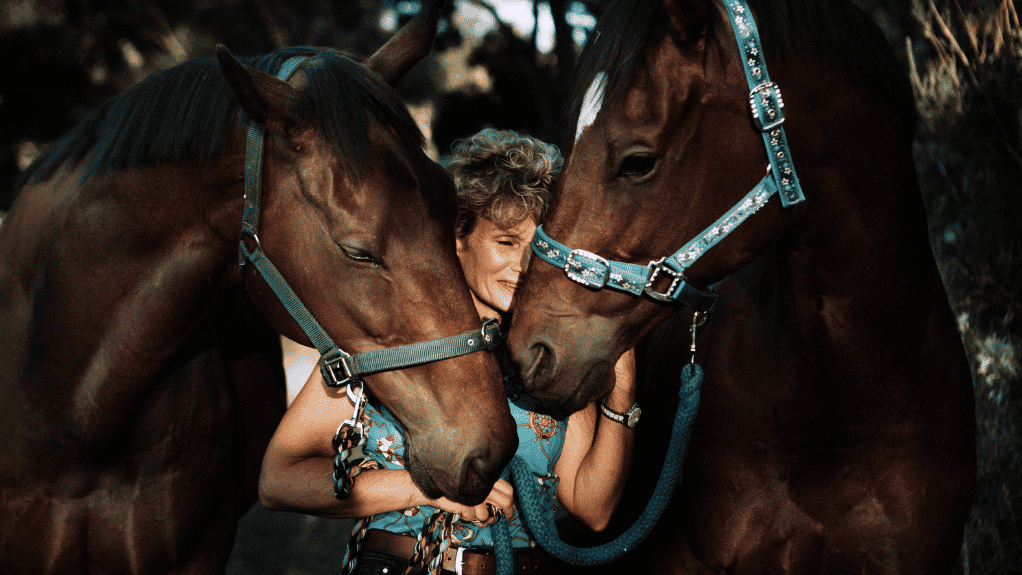
We’ve encountered some confusion with providers and managers who claim that Equine Therapy is not funded because it is classified as ‘animal therapy’. However, this is not true for Jabulani Sanctuary Pty Ltd. All our staff are trained and registered counsellors who may choose to incorporate horses as ‘assistants’ in their sessions with clients.
All our sessions are FULLY FUNDED by the NDIS under: Capacity building / Improved daily living / Therapeutic support (NDIS pricing code: 15_043_0128_1_3)
For further information or clarification please contact our offices. Thank you.
*Information as per the NDIS website*
https://ourguidelines.ndis.gov.au/would-we-fund-it/assistive-technologies/therapy-animals
What is animal-assisted therapy?
Animal-assisted therapy is when a therapist includes an animal in a goal-directed, structured service to help their clients engage in therapy. The animal usually belongs to the therapist or therapy organisation. They generally only have contact with the participant during the therapy session and don’t stay with the client after the session is finished. They’re generally included to help the client get the most out of their therapy session.
Therapists use different approaches, techniques and equipment to engage their clients. Some therapists who work with people with disability may include an animal in therapy sessions. Involvement of an animal is simply another tool a therapist can include as part of their program.
How is it different to animal therapy?
Animal therapy is not the same as animal-assisted therapy. Animal therapy is activities which are provided for people to have positive experiences with an animal. For example, engaging with puppies or riding a horse might be called animal therapy by the provider of the service. A recreational, sporting or social activity involving animals could also be called animal therapy. These activities are not animal-assisted therapy and are not NDIS supports, even if the provider of the service is an allied health professional.